
Ultimate Guide to Tree Care in Orlando
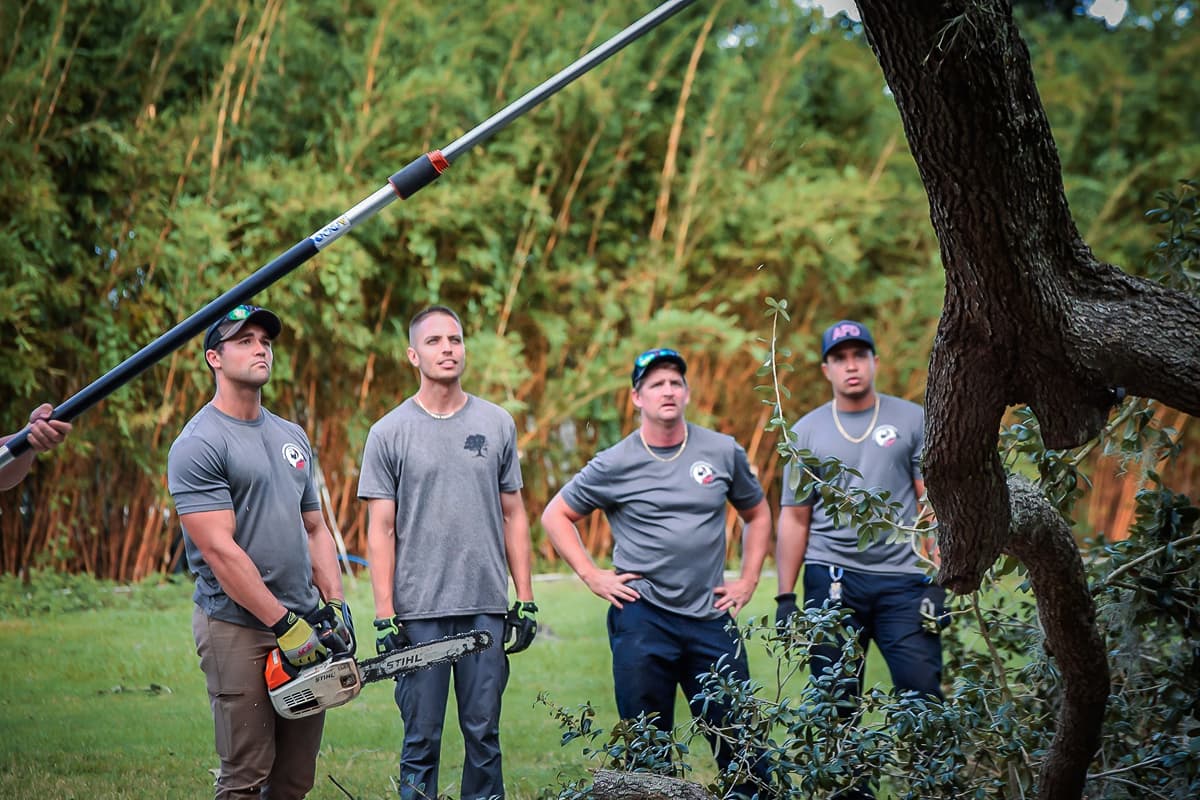
Caring for trees in Orlando is unlike caring for trees almost anywhere else in the country. Our subtropical climate, sandy soils, intense summer sun, afternoon downpours, and annual hurricane threat create a growing environment that rewards good tree care and punishes neglect. At Cox Arboriculture Services, we have spent years working in yards across Orlando, Winter Park, Maitland, Sanford, and the surrounding communities, and we have distilled everything we know into this complete guide. Whether you are a new homeowner staring up at a massive live oak or a long-time resident trying to keep your landscape healthy, this is the foundation you need.
Use this guide as your Central Florida tree-care roadmap. It covers the fundamentals—watering, mulching, and soil—along with pruning, disease and pest management, storm preparation, and knowing when to call a professional.
Understanding Central Florida's Growing Conditions
Everything about tree care here starts with understanding our unique environment. Orlando sits in USDA hardiness zone 9b, which means we rarely get hard freezes, and our trees grow nearly year-round. That extended growing season is a blessing, but it also means faster growth, more aggressive pests, and quicker disease spread than in cooler climates.
Our soils are predominantly sandy, which drains quickly and holds few nutrients. That has major implications: water and fertilizer pass through fast, so trees need deep, consistent care to thrive. Add in our two distinct seasons—a hot, wet summer with daily thunderstorms and a mild, dry winter—and you have a climate where trees can flourish with the right attention or decline rapidly without it.
Common trees you will find in Orlando yards include live oaks, laurel and water oaks, southern magnolias, bald cypress, crape myrtles, and of course a wide variety of palms. Each has its own needs, but the core principles below apply to nearly all of them.
Watering: The Foundation of Tree Health
More trees in Central Florida suffer from improper watering than almost any other cause. The key principle is deep and infrequent rather than shallow and frequent.
- Newly planted trees need the most attention—water deeply every 2–3 days for the first few weeks, then taper to weekly as roots establish over the first year or two.
- Established trees generally thrive on deep watering during dry spells, letting the soil dry somewhat between waterings to encourage deep root growth.
- During the rainy season, supplemental watering is rarely needed, and overwatering can promote root rot in our already moisture-prone conditions.
The goal is to encourage roots to grow downward and outward, building the deep anchor that keeps trees standing through hurricane season. Frequent shallow watering does the opposite—it trains roots to stay near the surface, leaving trees weak and unstable.
Mulching and Soil Care
Because our sandy soils are nutrient-poor, mulch is one of the best things you can do for your trees. A proper 2–3 inch layer of organic mulch over the root zone conserves moisture, moderates soil temperature, suppresses weeds, and slowly adds nutrients as it breaks down.
The most important rule: keep mulch away from the trunk. "Volcano mulching"—piling mulch against the bark—traps moisture, invites rot and pests, and is a leading cause of premature tree decline. Spread mulch in a wide, flat ring, leaving a few inches of clearance around the base.
Given our poor soils, many Orlando trees also benefit from periodic soil testing and targeted fertilization. Over-fertilizing, however, drives weak, fast growth that is more prone to storm damage and pests, so this is an area where professional guidance pays off.
Pruning: When, Why, and How
Pruning is essential for tree health, safety, and structure—but only when done correctly. In Central Florida, timing and technique both matter.
Why we prune:
- To remove dead, diseased, or damaged branches before they fail.
- To improve structure on young trees, establishing a strong central leader.
- To reduce wind resistance ahead of storm season.
- To improve air circulation, which reduces fungal disease in our humid climate.
When to prune: For most hardwoods, late winter to early spring (during relative dormancy) is ideal, though dead and hazardous wood can be removed any time. Palms have their own rules—over-pruning palms ("hurricane cutting" them into a few fronds) actually weakens them.
The cardinal rule: avoid over-pruning. Never remove more than about 25% of a mature tree's live canopy in a single season, and never "top" a tree or lion-tail it (stripping interior growth and leaving tufts at the ends). These practices weaken trees, invite disease, and trigger dangerous regrowth. Our tree pruning in Orlando and tree trimming services follow ISA standards to keep your trees healthy and structurally sound.
Recognizing and Managing Tree Diseases
Our warm, humid climate is a paradise for fungal and bacterial diseases. Catching problems early is the difference between treatment and removal. Watch for these warning signs:
- Yellowing or browning leaves outside of normal seasonal change.
- Fungal growth—mushrooms or conks at the base or on the trunk—often signaling internal decay.
- Cankers, oozing, or dark sunken areas on the bark.
- Thinning canopy or dieback starting at the branch tips.
- Premature leaf drop during the growing season.
Common Central Florida issues include various oak diseases, root rot from overwatering or poor drainage, and fungal leaf spots. Because many of these look similar in early stages, a professional diagnosis is invaluable. Our tree health assessment in Orlando identifies problems accurately and recommends the right course of action before a treatable issue becomes a lost tree.
Pest Management
Central Florida trees face pressure from a range of pests—scale insects, aphids, whiteflies, borers, and more. Palms are particularly vulnerable to pests and nutrient deficiencies. Signs of infestation include sticky "honeydew" residue, sooty mold, unusual holes in the bark, and clusters of insects on leaves and stems.
Integrated pest management—combining good cultural care, monitoring, and targeted treatment only when needed—is the most effective and responsible approach. Healthy, well-watered, properly pruned trees are far more resistant to pests than stressed ones, which is why the fundamentals in this guide matter so much.
Root Care and Protection
A tree's root system is its foundation—literally. In our sandy soils, healthy roots are what keep a tree standing through storms. Protect them by:
- Avoiding soil compaction from vehicles, equipment, or foot traffic over the root zone.
- Never trenching or paving within the critical root area without professional guidance—this is a leading cause of hidden, delayed tree failure.
- Watching for girdling roots that circle the trunk and slowly strangle the tree.
If you are dealing with roots lifting sidewalks, invading pipes, or threatening foundations, our tree root management in Orlando addresses these issues without unnecessarily harming the tree.
Preparing Your Trees for Hurricane Season
No Orlando tree-care guide is complete without storm preparation. Hurricane season runs June through November, and the trees that survive are the ones cared for in advance. Proper structural pruning reduces wind load, deadwood removal eliminates projectiles, and pre-season assessments catch hazards early.
We have two in-depth companion guides worth reading before the season: how to protect trees before hurricane season and our hurricane tree damage prevention guide. If a storm does cause damage, our emergency tree service checklist and storm damage cleanup in Orlando will help you recover.
When to Remove a Tree
Sometimes, despite the best care, removal is the safest choice. Consider professional removal when a tree is severely decayed, dangerously leaning, dead, or positioned where failure would threaten your home. We always favor preservation when it is responsible, but a hazardous tree over your house is a risk that rarely justifies waiting. When removal is warranted, our professional tree removal services and stump grinding handle the job safely and cleanly.
When to Call a Professional Arborist
Plenty of routine care—watering, mulching, monitoring—is well within a homeowner's ability. But some work should always be left to trained professionals:
- Pruning large or mature trees, or anything requiring climbing or a ladder.
- Any work near power lines (see our guide on trees touching power lines).
- Diagnosing and treating suspected disease or pest infestations.
- Removing hazardous, leaning, or storm-damaged trees.
- Assessing storm risk before hurricane season.
A professional brings the training, equipment, and safety practices that keep both your trees and your family protected.
Your Orlando Tree-Care Partner
Great tree care is a long game. The watering, mulching, pruning, and monitoring you do consistently over the years is what produces healthy, beautiful, storm-resilient trees that add value and shade to your property for decades. When you need expert help, our licensed and insured team is here for homeowners and businesses throughout Orlando, Winter Park, Maitland, Sanford, Casselberry, and across Central Florida.
Have questions about a specific tree, or want a professional assessment of your landscape? Call us at 321-382-8678 or reach out through our contact page for a free estimate. Let's keep your Orlando trees thriving.