
Emergency Tree Service Checklist
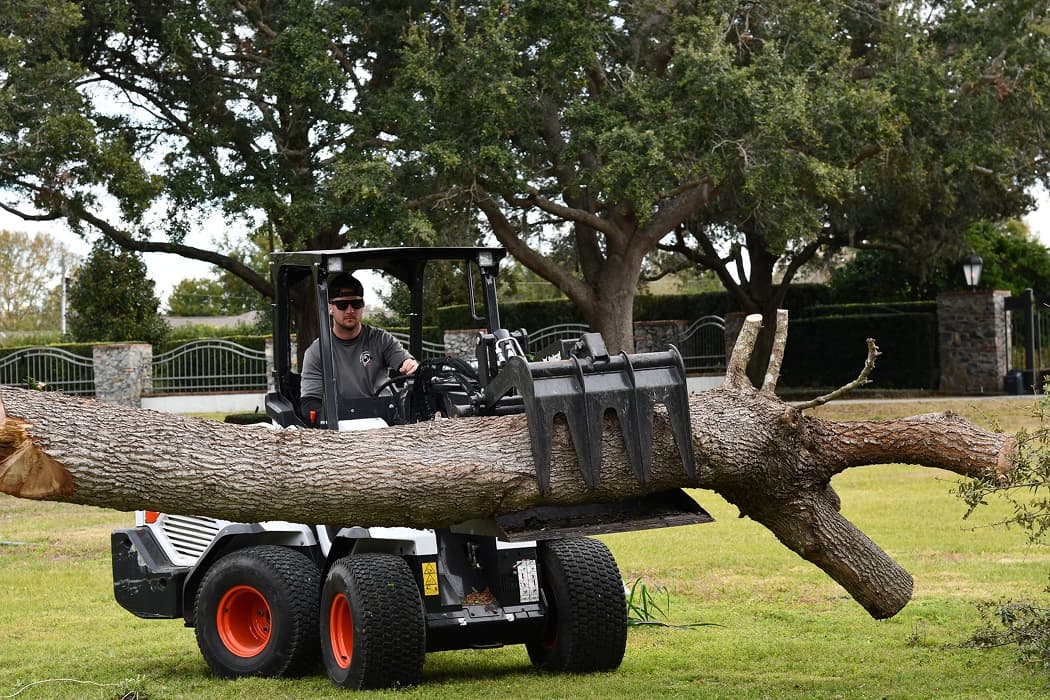
When a tree comes down across your driveway at 2 a.m. during a summer thunderstorm, or a heavy limb cracks and hangs over your roof after a gust of wind, the last thing you want to do is figure out your next move on the fly. At Cox Arboriculture Services, we respond to tree emergencies across Orlando, Winter Park, and the greater Central Florida area year-round, and we have learned that the homeowners who stay calm and work through a clear checklist almost always come out of the situation safer and with less property damage. This guide is the exact checklist we wish every homeowner had taped to the inside of a kitchen cabinet before hurricane season hits.
Whether you are dealing with a fully uprooted oak, a split trunk, or branches tangled in something they should not be, the steps below will help you protect your family, document the damage correctly, and get professional help moving in the right order.
What Counts as a Tree Emergency?
Not every fallen branch is an emergency, and knowing the difference helps you respond appropriately instead of panicking over a problem that can wait until business hours. In our experience, a true tree emergency usually involves an immediate threat to people, structures, or access.
You are dealing with an emergency if you see any of the following:
- A tree or large limb has fallen on your home, garage, vehicle, or fence.
- A tree is leaning sharply with exposed or lifted roots after a storm.
- Branches are tangled in or touching power lines (this is a special case—see our guide on what to do when a tree is touching power lines).
- A cracked or hanging limb ("widow-maker") is suspended over a walkway, driveway, or play area.
- A fallen tree is blocking your only exit from the property.
If none of those apply—say a few small branches dropped into the yard—you can usually wait and schedule routine storm debris cleanup rather than calling for after-hours emergency service. When in doubt, a quick phone call to our team at 321-382-8678 can help you decide.
The Emergency Tree Service Checklist
Work through these steps in order. The sequence matters: safety first, then documentation, then cleanup.
1. Get Everyone to Safety First
Before anything else, move people and pets away from the affected area. A tree that has already fallen can still shift, and limbs caught under tension can release suddenly with tremendous force. Stay indoors if a tree has hit the house, and avoid going under or near any leaning trunk or hanging branch.
If a tree has struck your home and you hear cracking, smell gas, or see structural damage to walls or the roof, leave the house and call 911. Your safety is worth far more than any belonging inside.
2. Check for Power Lines
This is the step homeowners most often skip, and it is the most dangerous one. Assume every downed line is live and energized. Never touch a tree, branch, fence, or puddle that is in contact with a power line, and keep everyone at least 35 feet away. If lines are involved, call your utility provider and 911 before you call a tree company. We cannot safely begin work until the utility de-energizes or clears the lines.
3. Call 911 or Your Utility When Needed
Reach out to emergency services if there is any injury, gas leak, structural collapse, or downed power line. In Central Florida, that usually means contacting Duke Energy or OUC for line hazards. Make these calls before you start documenting damage.
4. Document Everything for Insurance
Once you are safe and the immediate hazards are handled, pull out your phone and document the scene thoroughly. Insurance adjusters rely on this evidence, and good documentation speeds up your claim.
- Take wide shots showing the whole tree and the affected structure.
- Take close-ups of specific damage—dented vehicles, broken windows, crushed fencing, roof punctures.
- Photograph the base and roots of the tree if it uprooted.
- Note the date, time, and weather conditions.
- Do not move or cut anything before photographing it unless it poses an active safety risk.
If a tree has landed on a vehicle, our guide on what to do if a tree hits your car walks through the insurance and liability details in depth.
5. Contact Your Insurance Company
Call your homeowner's insurance to start a claim and ask what your policy covers. Many policies cover removal of a tree that has damaged a covered structure, but coverage for a tree that simply fell in the yard varies widely. Get your claim number and ask whether they require any specific documentation before cleanup begins.
6. Call a Professional Tree Service
Now it is time to call a licensed and insured tree company. Emergency tree work—especially removing trees from roofs, untangling limbs under tension, or felling a partially uprooted tree—is dangerous and requires specialized rigging, cranes, and training. This is not a chainsaw-and-a-ladder job. Our team provides rapid-response professional tree removal services and full storm damage cleanup in Orlando to get your property safe and clear quickly.
7. Prevent Further Damage (Safely)
If it is safe to do so, take reasonable steps to prevent additional damage—covering a broken window with plastic sheeting, or placing a tarp over a roof puncture. Insurance generally expects you to mitigate further loss, but never climb onto a damaged roof or attempt to move heavy limbs yourself. Document these temporary repairs too.
What NOT to Do in a Tree Emergency
Over the years we have seen well-meaning homeowners turn a manageable situation into a serious injury. Avoid these mistakes:
- Do not attempt to cut a tree that is under tension, leaning, or partially uprooted. Stored energy in a bent trunk can snap and kill.
- Do not climb on or near a fallen tree to "check it out."
- Do not touch anything in contact with a power line, no matter how small the branch.
- Do not operate a chainsaw in wet, chaotic, post-storm conditions if you are not trained.
- Do not hire an unlicensed, uninsured "storm chaser" who shows up door-to-door after a hurricane. If they damage your home or get hurt on your property, you could be liable.
Why Central Florida Homeowners Need a Plan
Orlando and the surrounding communities sit squarely in hurricane country, and our sandy soils and frequent summer storms make tree failures common. Saturated ground after heavy rain reduces a tree's anchoring strength, and species like laurel oak and water oak are especially prone to dropping limbs or uprooting in high winds. We have responded to countless emergencies in Winter Park, Maitland, Sanford, and across Orange and Seminole counties where a little advance planning would have saved thousands in damage.
The best emergency is the one that never happens. Proactive tree trimming services and structural pruning before storm season reduce wind resistance, remove weak and dead limbs, and dramatically lower the odds of a catastrophic failure. A pre-season tree health assessment can also flag the hidden decay and root problems that lead to surprise failures.
How Cox Arboriculture Responds to Emergencies
When you call us during an emergency, our process is built around speed and safety. We assess the hazard, identify any utility or structural risks, and bring the right equipment—cranes, bucket trucks, and professional rigging—to remove the threat in a controlled way. Our team is licensed, insured, and trained to OSHA and ISA standards, so the work is done correctly the first time. Once the hazard is removed, we handle complete stump grinding and debris cleanup so your property is left safe and ready to recover.
We serve homeowners and businesses throughout Orlando, Winter Park, Casselberry, Altamonte Springs, Longwood, and the surrounding Central Florida communities.
Keep This Checklist Handy
A tree emergency is stressful, but a clear plan turns chaos into a series of manageable steps: get safe, watch for power lines, call for help, document the damage, notify insurance, and bring in licensed professionals. Save our number—321-382-8678—in your phone now so it is ready when you need it most.
If you are staring at a fallen tree right now, or you want to storm-proof your property before the next big one rolls through, reach out to our team through our contact page for a free estimate. We are here to help Central Florida recover, one tree at a time.