
When to Trim Trees in Orlando
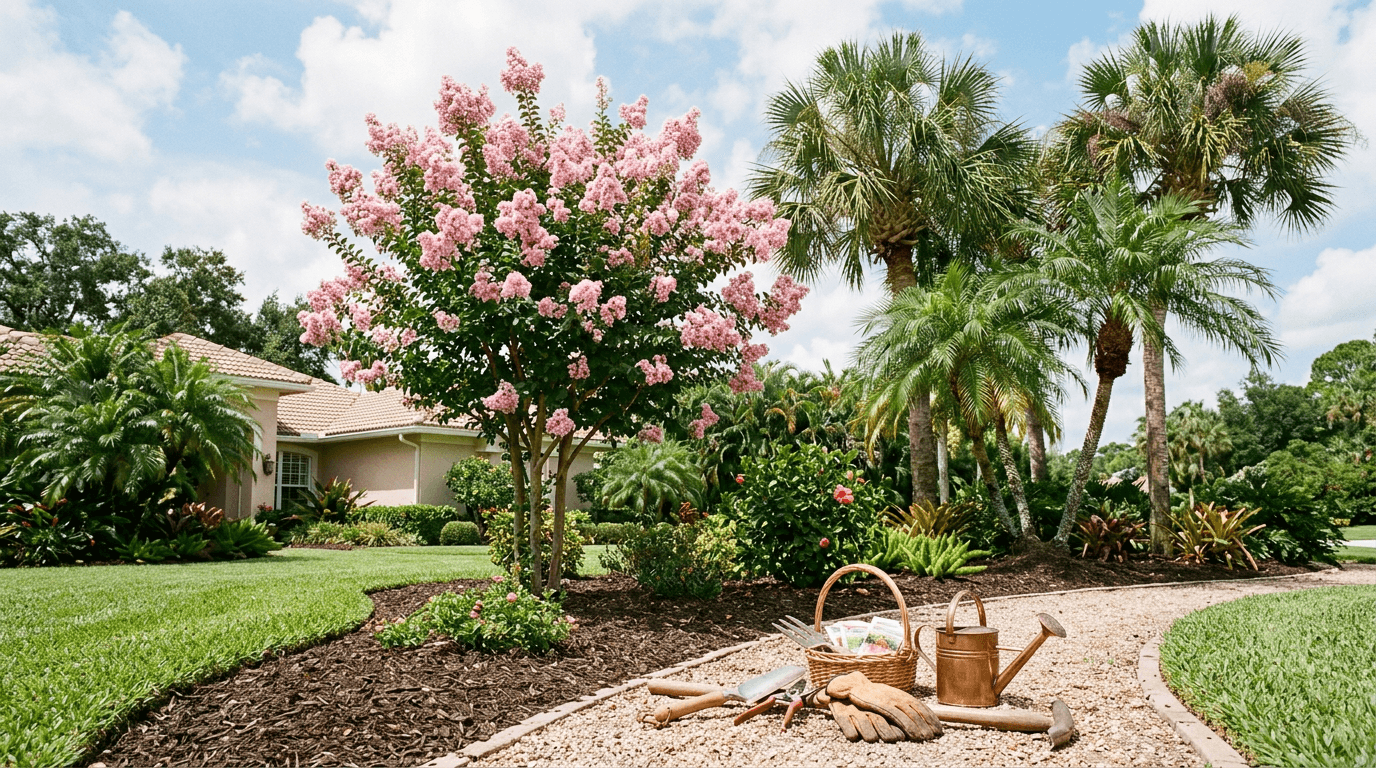
One of the most common questions we get at Cox Arboriculture Services is simple: "When should I trim my trees?" The answer depends on the species, the type of work you need, and what's coming on the calendar — especially hurricane season. Here's the month-by-month breakdown we use for our own clients across Orlando, Winter Park, Maitland, and the surrounding area.
Why Timing Matters in Orlando
Orlando sits in USDA Hardiness Zone 9b. Our winters are mild, our summers are long and wet, and trees here grow year-round. That extended growing season is great for your landscape, but it also means trees need more frequent maintenance than they would up north.
Pruning at the wrong time can:
- Remove flower buds before they bloom
- Trigger soft new growth that's vulnerable to cold snaps
- Stress a tree right before the demands of hurricane season
- Attract pests to fresh wounds during peak insect activity
Getting the timing right isn't complicated — you just need to know what you're working with.
Month-by-Month Trimming Guide for Orlando
January – February: Prime Structural Pruning Season
This is the single best window for major pruning work in Orlando. Deciduous trees are dormant or nearly so, giving you a clear view of the branch architecture. Cuts heal fast once the spring growth flush kicks in a few weeks later.
Best for: Crepe myrtles, maples, elms, sycamores, and any tree that needs structural correction — crossing branches, co-dominant stems, or weight reduction on long limbs.
Avoid: Don't prune spring-flowering trees like magnolias and redbuds right now. You'll cut off the flower buds that formed last year.
March – April: Early Spring Cleanup
As trees push new growth, this is a good time for light pruning, deadwood removal, and crown cleaning. You can also shape young trees and correct any storm damage from the winter months.
Best for: Oaks (after the brief oak wilt risk period), general cleanup, and shaping young trees. This is also when we start our annual rounds on tree trimming service contracts.
May – June: Post-Bloom Pruning
Flowering trees that bloomed in spring — magnolias, redbuds, tabebuias, and crape myrtles — can be pruned once the flowers fade. This is also the last comfortable window before Orlando's summer heat and daily afternoon storms make climbing and equipment work more challenging.
Best for: Magnolias (see our magnolia tree care guide), flowering ornamentals, and any trees that need attention before the wet season arrives.
July – August: Hurricane Prep Window
This is when every Orlando homeowner should be thinking about their tree canopy. We focus on crown thinning to reduce wind resistance, removing deadwood that could become projectiles, and reducing the weight on long horizontal limbs that are prone to failure.
Best for: All species — this is targeted, safety-focused pruning. We're not reshaping trees; we're making them storm-ready. If you've been putting off tree maintenance, this is the time. Learn more about our approach to storm damage prevention.
September – October: Light Maintenance Only
Hurricane season is still active, and the combination of heat, humidity, and heavy rain means fresh pruning wounds are more susceptible to fungal infection. We limit work to hazard mitigation — removing broken or hanging branches that pose immediate risks.
Best for: Emergency deadwood removal and hazard reduction only.
November – December: Transition Season
As temperatures cool and growth slows, you can start planning for the next year's structural pruning. Light trimming and deadwood removal are fine. Some homeowners use this period to have their trees assessed so work can be scheduled for January.
Best for: Assessments, planning, palm frond removal, and light cleanup. If you want a certified arborist to walk your property, contact us for a free estimate.
Species-Specific Timing for Orlando's Most Common Trees
Live Oaks
Prune in late winter (January–February) or early summer (June). Avoid pruning oaks from February through May in years when oak wilt is a concern — fresh wounds during this window can attract the beetles that spread the fungus. For mature oaks that need structural work, see our tree pruning services.
Crepe Myrtles
Prune in late January or February before new growth starts. Remove crossing branches, thin the interior, and cut out suckers. Do not "crepe murder" — topping crepe myrtles creates weak regrowth and ruins the tree's natural form.
Palms
Remove dead (fully brown) fronds any time of year. Never cut green fronds or "hurricane cut" a palm — it weakens the tree. Most palms need cleaning once or twice a year. Our palm trimming guide covers the details.
Southern Magnolias
Prune in late spring to early summer, right after flowering. Magnolias don't respond well to heavy pruning, so keep it light — mostly lower branch removal for clearance and interior thinning.
Pine Trees
Florida pines need minimal pruning. Remove dead lower branches in late winter. If a pine is showing significant decline (thin canopy, bark beetle holes, excessive pitch), it's usually a candidate for removal rather than pruning.
Signs Your Trees Need Trimming Now
Don't wait for the calendar if you notice any of these:
- Dead branches hanging in the canopy — these can fall at any time
- Branches touching your roof, gutters, or power lines — clearance pruning is needed immediately
- Cracks or splits at branch unions — a structural failure waiting to happen
- Dense canopy blocking all light — over-shaded lawns die, and dense canopies catch more wind
- Crossing or rubbing branches — these create wounds that invite disease
If any of these describe your trees, don't wait for the "perfect" month. Safety always takes priority over timing. Give us a call at 321-382-8678 or schedule a free assessment.
The Bottom Line
For most homeowners in Orlando, the two most important pruning windows are late winter (January–February) for structural work and mid-summer (July–August) for hurricane prep. Everything else falls into routine maintenance that can be scheduled around those two anchors.
If you want a pruning plan tailored to your specific property, our certified arborists will walk your yard and build a schedule that keeps your trees healthy, safe, and looking great year-round. For the complete guide on techniques and species-specific advice, read our Tree Pruning Guide for Florida Homes.