
Complete Fruit Tree Pruning Guide: Apple, Peach, Fig & Citrus Trees
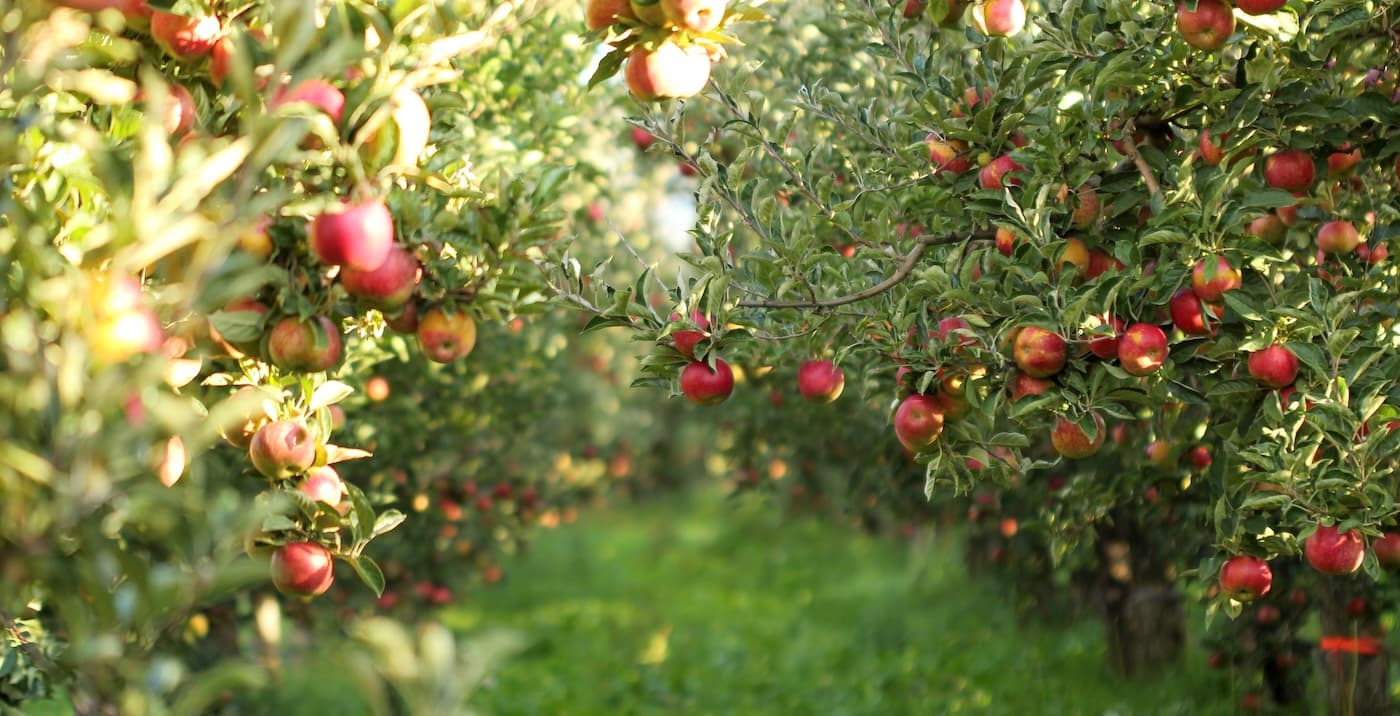
Pruning fruit trees is essential for maximizing fruit production, maintaining tree health, and creating a manageable shape for harvesting. Whether you're growing apples in your backyard, nurturing a peach tree, tending to fig trees, or caring for citrus in Florida's climate, understanding the unique pruning requirements for each species is critical to success.
At Cox Arboriculture Services, we've helped countless homeowners throughout Central Florida optimize their fruit tree care. In this comprehensive guide, we'll cover everything you need to know about pruning apple, peach, fig, and citrus trees—from timing and techniques to common mistakes and expert tips.
Why Pruning Fruit Trees Is Essential
Before diving into species-specific techniques, let's understand why pruning matters for all fruit trees:
Benefits of Proper Pruning
- Increased fruit production – Pruning stimulates new fruiting wood and improves fruit size
- Better air circulation – Reduces fungal diseases and pest infestations
- Improved sunlight penetration – Essential for fruit ripening and overall tree health
- Structural integrity – Creates a strong framework that supports heavy fruit loads
- Easier harvesting – Maintains manageable tree size and shape
- Disease prevention – Removes dead, diseased, or damaged wood before problems spread
Neglected fruit trees often become overgrown, tangled messes that produce small, poor-quality fruit. Regular pruning transforms these trees into productive, healthy specimens.
Apple Tree Pruning Guide
Apple trees are among the most popular backyard fruit trees, and proper pruning is crucial for consistent fruit production. Here's your complete apple tree pruning guide.
When to Prune Apple Trees
The best time to prune apple trees is during late winter dormancy—typically February through early March in Central Florida. At this time:
- The tree's structure is clearly visible without leaves
- Disease transmission risk is minimal
- The tree has energy stored for vigorous spring growth
- Pruning cuts heal quickly as spring arrives
Avoid pruning in fall, as this can stimulate new growth that won't harden off before winter.
Apple Tree Pruning Techniques
Central Leader Training
Most apple trees benefit from a central leader system:
- Identify the leader – Select the strongest, most upright branch as your central trunk
- Remove competing leaders – Cut back any branches trying to become a second trunk
- Establish scaffold branches – Select 3-5 main branches spiraling around the trunk, spaced 6-8 inches apart vertically
- Maintain 45-60 degree angles – Scaffold branches at these angles are strongest and most productive
The 3 D's: Dead, Diseased, and Damaged
Always start by removing:
- Dead branches – Brittle, discolored wood with no buds
- Diseased limbs – Signs of canker, fire blight, or fungal infection
- Damaged wood – Broken or cracked branches from storms or weight
Thinning Cuts for Apple Trees
- Remove water sprouts (vertical shoots growing from branches)
- Cut out suckers (shoots from the base or rootstock)
- Eliminate crossing branches that rub against each other
- Open the center for better light and air circulation
Apple Tree Pruning Tips
- Never remove more than 25% of the canopy in one season
- Make cuts just outside the branch collar (the swollen area where the branch meets the trunk)
- Use sharp, clean tools to prevent disease transmission
- Consider summer pruning for water sprouts only
For extensive apple tree care or restoration of neglected trees, our tree trimming services can help bring your trees back to optimal health.
Peach Tree Pruning Guide
Peach trees require more aggressive pruning than most fruit trees. This peach tree pruning guide will help you maximize your harvest.
When to Prune Peach Trees
Prune peach trees in late winter, ideally just before bud swell in early spring. In Central Florida, this is typically late January through early February.
Key timing considerations:
- Prune after the coldest weather has passed to reduce winter injury risk
- Avoid pruning during wet weather to prevent bacterial canker
- Earlier pruning is acceptable in warmer climates like Florida
Open Center Pruning Method
Unlike apples, peach trees thrive with an open center (vase) shape:
Year 1: Establishing Structure
- At planting, cut the central leader at knee height (about 24-30 inches)
- Select 3-4 strong scaffold branches
- Remove all other branches
- Space scaffolds evenly around the trunk
Year 2-3: Developing the Framework
- Allow scaffold branches to grow outward at 45-degree angles
- Head back scaffolds by 1/3 to encourage branching
- Remove any upright growth trying to become a central leader
- Maintain the open bowl shape
Mature Tree Maintenance
- Remove 40-50% of the previous year's growth annually
- This aggressive pruning is necessary because peaches fruit on one-year-old wood
- Keep the center open to prevent shading and disease
- Limit tree height to 8-10 feet for easy harvesting
Peach Tree Pruning Techniques
Heading Cuts vs. Thinning Cuts
- Heading cuts – Shorten branches to stimulate branching; use for shape
- Thinning cuts – Remove entire branches at their origin; use for opening structure
Removing Peach Tree Suckers
Peach trees are notorious for producing suckers from the rootstock. Remove these immediately—they'll never produce good fruit and steal energy from the tree.
Common Peach Tree Pruning Mistakes
- Under-pruning – Peaches need heavy annual pruning; don't be timid
- Leaving the center closed – This leads to shading and disease
- Pruning during wet weather – Increases canker risk
- Ignoring suckers – These drain the tree's energy
If your peach tree has become overgrown, our professional team can perform restorative pruning. Learn about our tree pruning services for expert assistance.
Fig Tree Pruning Guide
Fig trees are wonderfully productive in Florida's climate, but they benefit from proper pruning to maintain size and increase fruit production. Here's your fig tree pruning guide.
When to Prune Fig Trees
The best time to prune fig trees is during late winter dormancy—typically late January through February in Florida. However, figs are more forgiving than other fruit trees:
- Winter pruning – Main structural pruning while dormant
- Summer pruning – Light tipping to control size and encourage second crop
- Any time – Remove suckers and dead wood as needed
Understanding Fig Tree Fruiting Habits
Figs produce fruit in two ways, which affects pruning strategy:
- Breba crop – Early fruit on last year's wood (late spring)
- Main crop – Later fruit on current season's growth (summer-fall)
If you want both crops, avoid removing all of last year's growth. For main crop only (most common in Florida), you can prune more heavily.
Fig Tree Pruning Techniques
Initial Training (Years 1-3)
- Allow 3-5 main branches to develop from the base
- Fig trees naturally grow as multi-trunked shrubs
- Remove crossing branches and weak growth
- Keep the center open for air circulation
Mature Fig Tree Maintenance
- Reduce height – Cut back tall branches to maintain manageable size (6-8 feet ideal)
- Thin the canopy – Remove inward-growing branches
- Remove suckers – Cut suckers at ground level to prevent spreading
- Rejuvenate old wood – Remove unproductive older branches to stimulate new growth
Pruning Potted Fig Trees
Container-grown figs need more aggressive pruning:
- Root prune every 2-3 years when repotting
- Keep size manageable for container limitations
- Prune harder in late winter for compact growth
- Summer tip to maintain shape
Fig Tree Pruning Tips
- Figs can be cut back severely and will recover
- Wear gloves—fig sap can irritate skin
- Don't seal pruning cuts; figs heal naturally
- Remove any frost-damaged wood after danger has passed
Citrus Tree Pruning Guide
Florida is citrus country, and proper pruning keeps your citrus trees healthy and productive. This citrus tree pruning guide covers oranges, lemons, limes, grapefruits, and more.
When to Prune Citrus Trees
Citrus trees require minimal pruning compared to deciduous fruit trees. The best time is:
- Late winter to early spring – After the last frost, before new growth
- After harvest – For trees with heavy fruit loads
- Avoid late summer/fall – New growth may not harden before winter
Citrus Pruning Philosophy: Less Is More
Unlike apple or peach trees, citrus trees don't need heavy annual pruning. Over-pruning can actually reduce fruit production. Focus on:
- Removing dead, diseased, or damaged wood
- Eliminating water sprouts and suckers
- Opening interior slightly for air circulation
- Controlling height for easier harvesting
Citrus Tree Pruning Techniques
Removing Suckers and Water Sprouts
- Suckers – Vigorous shoots from below the graft union; always remove these
- Water sprouts – Vertical shoots inside the canopy; remove most, keep some for replacing older wood
How to identify suckers: They grow from below the graft union (bumpy area near the base), have different leaf shape, and are extremely vigorous. Never let these grow—they'll overtake the desired variety.
Skirt Pruning
Remove low-hanging branches that:
- Touch the ground
- Make mowing difficult
- Create pest and disease harbors
- Interfere with watering systems
Keep the canopy at least 2 feet above ground level.
Height Control
For easier harvesting, maintain citrus trees at 8-12 feet:
- Use thinning cuts to remove tall branches
- Avoid "topping"—this damages structure and invites disease
- Gradually reduce height over multiple seasons if needed
Pruning Different Citrus Types
Orange Trees
- Light pruning only
- Focus on removing dead wood and suckers
- Open center slightly for air circulation
Lemon Trees
- More vigorous than oranges; may need more frequent shaping
- Remove thorny water sprouts regularly
- Can be hedged for size control
Lime Trees (Key Lime, Persian Lime)
- Naturally dense; thin interior growth
- Remove crossing branches
- Cold-sensitive; don't prune before frost season
Grapefruit Trees
- Large trees; may need significant height control
- Remove dead wood in center
- Thin fruit clusters for larger fruit
Citrus Pruning After Freeze Damage
If your citrus tree suffers frost damage:
- Wait – Don't prune immediately; wait until new growth shows
- Assess – Determine the extent of dead wood
- Cut back to live wood – Make cuts just below visibly dead sections
- Be patient – Recovery may take one full season
Our team provides expert assistance for freeze-damaged citrus. Contact us for professional tree care services.
Universal Pruning Tools and Techniques
Essential Pruning Tools
Regardless of which fruit tree you're pruning, you'll need:
- Bypass hand pruners – For branches up to ¾ inch diameter
- Loppers – For branches ¾ to 1½ inches
- Pruning saw – For branches over 1½ inches
- Pole pruner – For high branches without a ladder
- Disinfectant – Clean tools between trees to prevent disease spread
Making Proper Cuts
The Three-Cut Method for Large Branches
- Undercut – 12-18 inches from the trunk, cut 1/3 through from below
- Top cut – A few inches beyond the undercut, cut from above until branch falls
- Final cut – Remove the stub just outside the branch collar
This prevents bark tearing and promotes proper healing.
Where to Cut
- Cut just outside the branch collar (the swollen area at the base)
- Don't leave stubs (invites decay)
- Don't cut flush with the trunk (damages healing tissue)
Tool Maintenance
- Sharpen regularly – Sharp tools make clean cuts that heal faster
- Disinfect between trees – Use 70% isopropyl alcohol or 10% bleach solution
- Oil metal parts – Prevents rust and keeps tools working smoothly
- Replace worn tools – Damaged tools make poor cuts
Seasonal Fruit Tree Pruning Calendar
Winter (December-February)
- Major structural pruning for deciduous trees (apple, peach, fig)
- Apply dormant oil sprays after pruning
- Plan pruning strategy before trees leaf out
Spring (March-May)
- Late-season citrus pruning after frost danger passes
- Remove dead wood from cold damage
- Light thinning as needed
Summer (June-August)
- Water sprout removal on all species
- Summer tipping for figs to encourage second crop
- Sucker removal as needed
Fall (September-November)
- Minimal pruning – Avoid stimulating new growth before winter
- Remove broken or damaged limbs only
- Plan for winter pruning
When to Call a Professional Arborist
While homeowners can handle basic fruit tree pruning, some situations require professional help:
- Large, mature trees – Safety concerns with height and ladder work
- Severely neglected trees – May need multi-year restoration plan
- Disease diagnosis – Proper identification and treatment
- Storm damage – Safe removal of broken limbs
- Trees near structures or power lines – Requires professional equipment
At Cox Arboriculture Services, our ISA Certified Arborists have the expertise and equipment to handle any fruit tree pruning project. We serve Orlando and all of Central Florida with professional tree trimming, pruning, and complete tree care services.
Fruit Tree Pruning FAQs
How much should I prune my fruit tree?
It depends on the species. Peach trees need 40-50% of last year's growth removed annually. Apple trees should lose no more than 25% of their canopy. Citrus trees need minimal pruning—just maintenance.
Can I prune fruit trees in summer?
Light summer pruning (removing water sprouts and suckers) is acceptable for all species. Avoid major structural pruning in summer, as this can stress the tree.
What happens if I don't prune my fruit trees?
Unpruned trees become overgrown with poor structure, reduced fruit production, smaller fruit, increased disease, and potential breakage under fruit load or during storms.
Should I seal pruning cuts?
No. Research shows pruning sealers don't help and may actually trap moisture and promote decay. Clean cuts heal naturally.
My fruit tree hasn't produced fruit—should I prune it?
Excessive pruning can actually delay fruiting. For young trees, focus on structural training, not heavy pruning. Ensure the tree has proper pollination, adequate sunlight, and appropriate fertilization.
Start Pruning with Confidence
Proper pruning is one of the best investments you can make in your fruit trees' health and productivity. Whether you're following this apple tree pruning guide, implementing peach tree pruning techniques, caring for fig trees, or maintaining citrus in your Florida yard, consistent, informed pruning will reward you with healthier trees and bountiful harvests.
Remember these key principles:
- Time it right – Prune during the appropriate season for each species
- Use proper tools – Sharp, clean tools make healthy cuts
- Know your tree – Each species has unique requirements
- Don't overdo it – Remove only what's necessary
- Stay safe – Call professionals for large or dangerous work
Need Expert Help with Your Fruit Trees?
If you're unsure about pruning your fruit trees or have trees that need professional attention, Cox Arboriculture Services is here to help. Our certified arborists have extensive experience with all types of fruit trees throughout Central Florida.
We offer:
- Professional tree pruning services
- Tree trimming for overgrown trees
- Residential tree care programs
- Free estimates and consultations
Contact us today or call (321) 382-8678 to schedule your fruit tree assessment. Let's help your trees thrive!