
Does Spanish Moss Help or Hurt Trees? The Truth Revealed
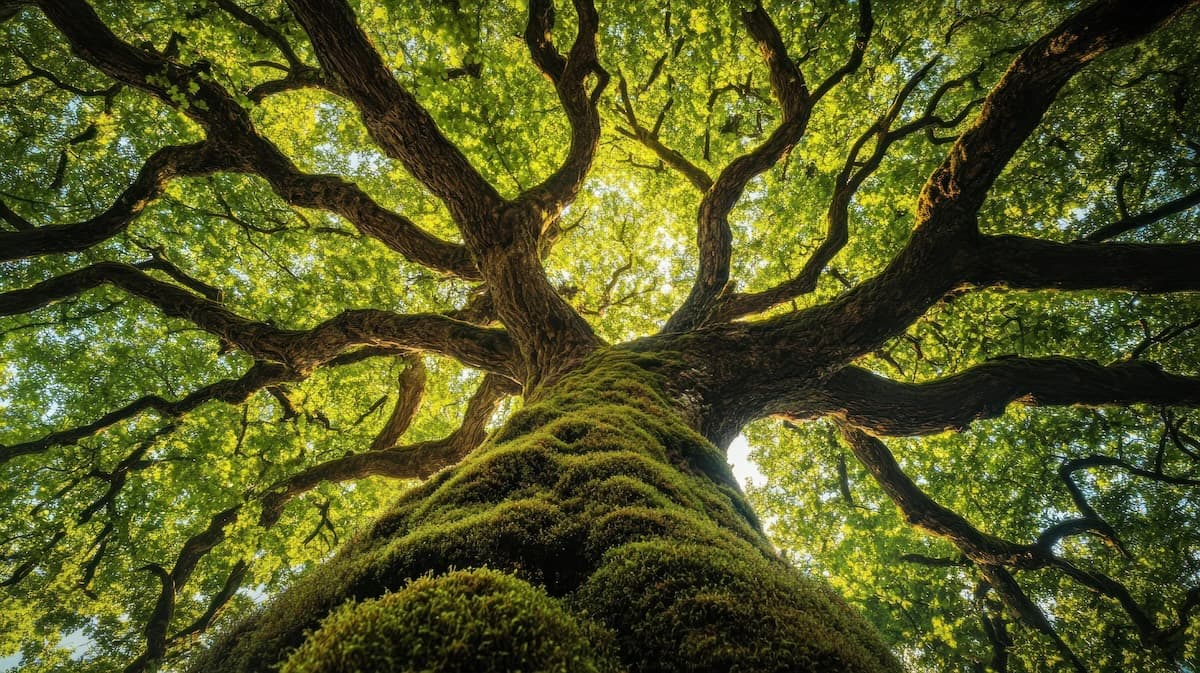
If you've spent any time in Florida or the Deep South, you've likely admired the ethereal beauty of Spanish moss draped over majestic oak trees. This iconic plant creates that quintessential Southern charm we all recognize. But as a homeowner or property manager, you may have wondered: does Spanish moss help or hurt trees?
At Cox Arboriculture Services, we encounter this question constantly from Orlando-area residents concerned about their trees. In this comprehensive guide, we'll separate fact from fiction and give you the professional insight you need to understand Spanish moss and its relationship with your trees.
What Is Spanish Moss, Really?
Despite its name, Spanish moss (Tillandsia usneoides) isn't actually moss at all—and it's not Spanish either! This fascinating plant is an epiphyte, commonly called an "air plant," and it's a member of the bromeliad family, making it a distant relative of the pineapple.
Here's what makes Spanish moss unique:
- No roots in the traditional sense – Spanish moss has small, scale-like structures that anchor it to branches, but these don't penetrate the bark
- Absorbs nutrients from the air – It gets everything it needs from rainwater, airborne dust, and atmospheric moisture
- Not a parasite – Unlike mistletoe, Spanish moss doesn't tap into a tree's vascular system to steal nutrients
Understanding what Spanish moss actually is helps answer our central question. Because it's an epiphyte, not a parasite, the relationship between Spanish moss and trees is more complex than a simple "good or bad" answer.
The Short Answer: Does Spanish Moss Hurt Trees?
In most cases, Spanish moss does not directly harm healthy trees. However, under certain conditions, it can contribute to tree stress. Let's break this down:
Spanish Moss Does NOT:
- Steal nutrients from trees
- Inject toxins into the bark
- Spread disease through direct contact
- Kill healthy trees on its own
Spanish Moss CAN:
- Add significant weight to branches, especially when wet
- Block sunlight from reaching leaves underneath
- Create conditions favorable to other issues
- Indicate underlying tree health problems
The key insight here is that healthy, vigorous trees typically coexist with Spanish moss without problems. Issues arise when trees are already stressed, or when moss growth becomes exceptionally heavy.
When Spanish Moss Becomes a Problem
While Spanish moss isn't inherently harmful, there are situations where it can contribute to tree decline. Here's when you should pay closer attention:
1. Excessive Weight on Branches
Spanish moss can absorb up to 10 times its dry weight in water during rainstorms. On a tree with heavy moss growth, this added weight can:
- Cause branches to sag or break
- Increase wind resistance during storms
- Lead to structural damage over time
In hurricane-prone areas like Central Florida, this additional weight and wind load is a legitimate concern. Our storm damage cleanup team often sees moss-laden branches among the debris after major storms.
2. Reduced Photosynthesis
When Spanish moss grows densely, it can shade the tree's own leaves, reducing the tree's ability to photosynthesize. This typically only becomes an issue when:
- Moss coverage is extremely heavy
- The tree is already struggling with reduced vigor
- Multiple stressors are present simultaneously
3. Indication of Tree Decline
Here's something many people don't realize: heavy moss growth is often a symptom, not a cause, of tree problems. Spanish moss tends to grow more prolifically on trees that are:
- Stressed or declining
- Growing more slowly
- Producing thinner canopies
A tree covered in moss may actually be signaling that it needs attention. The moss itself didn't cause the decline, but it thrived because the tree's slower growth created ideal conditions.
Benefits of Spanish Moss to the Ecosystem
Before rushing to remove all Spanish moss from your property, consider that this plant provides real ecological value:
Wildlife Habitat
Spanish moss provides shelter and nesting material for numerous species:
- Birds – Many species use moss for nest building, including warblers, wrens, and hummingbirds
- Bats – Spanish moss provides roosting sites
- Insects – Numerous beneficial insects live within moss clumps
- Tree frogs – Use moss for shelter and hunting
Air Quality Indicator
Like lichens, Spanish moss is sensitive to air pollution. Areas with abundant, healthy Spanish moss typically have good air quality—it's essentially a living air quality monitor.
Natural Beauty
Let's not forget the aesthetic value. Spanish moss is part of what makes Florida and the South so visually distinctive. Many homeowners intentionally preserve it for its beauty and historical character.
How to Tell If Spanish Moss Is Harming Your Tree
Since Spanish moss coexists peacefully with most healthy trees, how do you know when it's becoming problematic? Look for these warning signs:
Signs of Concern:
- Branches bending or sagging noticeably under moss weight
- Dead branches heavily covered in moss while living branches have less
- Sparse leaves on branches with heavy moss coverage
- Overall tree decline – yellowing leaves, reduced canopy density, slow growth
- Multiple large clumps concentrated on one side, causing imbalance
Signs Everything Is Fine:
- Tree continues to produce healthy new growth
- Branches show no signs of stress or sagging
- Moss distribution is relatively even
- Tree maintains full, healthy canopy
- No signs of disease or pest infestation
If your tree shows concerning signs, our team at Cox Arboriculture Services can provide a professional assessment to determine if the moss, the tree's health, or another factor is the real culprit.
Should You Remove Spanish Moss?
This is where homeowner decisions come into play. Here's our professional guidance:
When to Leave It Alone:
- The tree is healthy with no signs of stress
- Moss growth is moderate and evenly distributed
- You appreciate the aesthetic value
- Wildlife use is important to you
When to Consider Removal or Thinning:
- Branches are visibly stressed by weight
- Tree shows signs of decline that moss may be worsening
- Moss is blocking significant sunlight from leaves
- Tree is near structures where falling branches pose risk
- You're preparing for hurricane season
Best Practices for Removal:
If you decide to remove Spanish moss, do it properly:
- Never use harsh chemicals – Copper sulfate and other moss killers can damage your tree and harm the environment
- Hand-pull gently – For accessible moss, carefully pull it away without stripping bark
- Hire professionals for large trees – High branches require safe equipment and expertise
- Consider selective thinning – You don't have to remove all of it; reducing heavy concentrations is often sufficient
Our tree trimming services include moss management as part of comprehensive tree care. We can selectively thin moss while improving overall canopy health.
Myths About Spanish Moss Debunked
Let's clear up some common misconceptions:
Myth: Spanish Moss Spreads Chiggers and Insects
Fact: While some insects live in Spanish moss, chiggers prefer ground-level vegetation. Freshly fallen moss may harbor some insects temporarily, but moss on trees isn't a significant pest source.
Myth: You Can Kill Spanish Moss with Baking Soda or Bleach
Fact: These home remedies often damage trees more than they help. The moss may die temporarily, but so might your tree's bark and leaves. Avoid DIY chemical treatments.
Myth: Spanish Moss Only Grows on Sick or Dying Trees
Fact: Spanish moss grows on healthy trees throughout the South. It may grow more prolifically on stressed trees, but its presence alone doesn't indicate poor health.
Myth: Spanish Moss Will Eventually Kill Your Tree
Fact: Healthy trees can live for decades—even centuries—with Spanish moss. The iconic live oaks of the South prove this point beautifully.
Caring for Trees with Spanish Moss in Florida
Living in Central Florida means coexisting with Spanish moss. Here's how to keep your trees healthy:
Regular Tree Maintenance
- Schedule annual inspections to catch problems early
- Prune dead or weak branches that can't support moss weight
- Maintain overall tree health through proper watering and care
Storm Preparation
Before hurricane season, consider having heavily moss-laden branches trimmed to reduce wind resistance. Our team can assess which branches pose the greatest risk and thin them appropriately.
Monitor for Changes
Keep an eye on your trees throughout the year. If you notice:
- Sudden increase in moss growth
- Decline in tree vigor
- Structural concerns
It may be time for a professional evaluation. We offer free assessments for residential tree service customers throughout the Orlando area.
When to Call a Professional Arborist
While some moss management can be DIY, certain situations require professional help:
- Large trees – Never climb trees or use ladders for moss removal
- Trees near power lines or structures – Safety concerns require professional equipment
- Trees showing signs of decline – An arborist can diagnose the real issue
- Storm damage – Moss-heavy branches may need careful removal
- Significant moss removal – Professionals can do it without damaging the tree
At Cox Arboriculture Services, our ISA Certified Arborists can assess your trees, determine if Spanish moss is contributing to any problems, and recommend the best course of action—whether that's targeted trimming, moss thinning, or simply monitoring.
The Bottom Line: Spanish Moss and Tree Health
So, does Spanish moss help or hurt trees? The answer is nuanced:
Spanish moss is neutral to most healthy trees. It doesn't steal nutrients or directly cause harm. However, in certain circumstances—heavy growth, weakened trees, or storm conditions—it can contribute to tree stress.
The best approach is to:
- Monitor your trees for signs of stress
- Maintain tree health through proper care
- Address excessive growth when necessary
- Appreciate the beauty when everything's healthy
Spanish moss is part of what makes Florida special. With proper tree care and attention, your trees can thrive alongside this fascinating air plant for generations to come.
Need Help With Your Trees?
If you're concerned about Spanish moss on your property or simply want a professional assessment of your tree health, Cox Arboriculture Services is here to help. We serve Orlando and all of Central Florida with comprehensive tree care, from trimming and pruning to complete tree removal when necessary.
Contact us today for a free estimate, or call us at (321) 382-8678 to speak with one of our certified arborists. We'll help you understand exactly what your trees need to stay healthy and beautiful.